

Step by Step: How to Get a Yacht Crew Visa (South African Guide)
Step by Step: How to Get a Yacht Crew Visa (South African Guide)
If you are a South African student dreaming of working on yachts around the world, understanding visas and immigration rules is key to turning that dream into reality. Different regions have very different requirements, and the rules change often. Below in our yacht crew visa guide is a clear, practical breakdown of what you need to know about legal requirements for working on yachts in the UK, EU, the United States, and the Caribbean.
Why You Need the Right Visa
Without the correct visa or travel permission, you cannot legally work on a yacht in most countries. Working in foreign waters is not the same as landing on land, and immigration officials need to see proof that you are allowed to be employed on board. For South African passport holders, this usually means applying for specific visas before departure. Visa processes can be confusing, so planning well ahead is crucial.
Visa Rules for the European Union (Including the Mediterranean)
Most of the popular yachting hubs in the Mediterranean are in the Schengen Area of Europe. South African citizens require a Schengen visa to enter and work there.
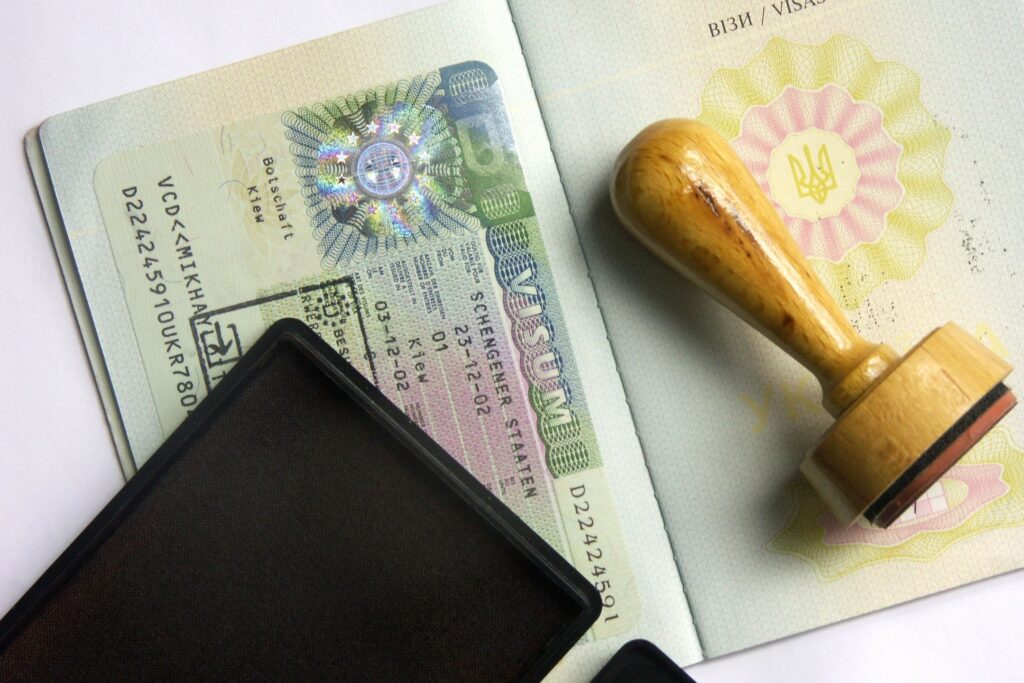
Schengen Visa (Type C or Seaman Short Stay Visa): Grants entry into Schengen countries and is normally required for working on a yacht based in the Mediterranean. Documents typically include proof of employment or a contract letter, vessel papers, and travel insurance.
Crew on Board: When you join the yacht and are registered on the crew list, your stay may be “paused” from counting against the standard 90 days in 180 days rule, as long as the yacht follows the official crew stamping procedures.
Long Stay or National Visa: In rare cases, crew may apply for a longer stay visa if they will be based in Europe for many months. This is more difficult and depends on specific consulate requirements.
Tip for South Africans: Get your Schengen visa from the consulate of the country where you first plan to arrive. Prepare your paperwork early since appointments and processing times can vary widely.
Visa Rules for the United Kingdom
The United Kingdom is not part of the Schengen Area, so a separate visa is required if you plan to work there.
Work Visa for Crew: To work on a UK flagged yacht or in UK waters as crew, you will need the appropriate visa based on employment and immigration rules of the UK government. This often means applying in advance and providing a job offer or sponsor.
Pre clearance: UK immigration can require a visa even if your yacht is only calling in for a short time, so make sure you have the correct permission before stepping on board.
Because UK visa rules are complex and change rapidly, always check the official UK government site for the latest requirements before applying.
Visa Rules for the United States
The United States has very specific rules for foreign yacht crew.
B1/B2 Visa: This is the most commonly used US visa for yacht crew. It is primarily a business and tourism visa, but when you have a job contract and a letter from the yacht owner or captain, it allows you to work on a foreign flagged yacht in US waters.
Validity can be up to 10 years with multiple entries allowed, and each stay is usually up to six months.
Important warning: Entering the United States on a tourist only visa (without the B1/B2) and trying to work is not legal and can lead to deportation or bans.
South Africans should apply for the B1/B2 visa from the South African US Embassy or Consulate well in advance of departure, ideally with proof of a job offer and yacht contract.
Visa Rules for the Caribbean
The Caribbean is a diverse region and visa requirements depend on the specific island or territory.
Many islands such as Antigua and some parts of the Bahamas allow South Africans to enter with a regular visa free for short stays.
Some Dutch Caribbean islands such as St Maarten require a visa for South Africans, typically with validity up to 30 or 90 days.
If the yacht plans to enter US Caribbean waters, it is essential to have the US B1/B2 visa as outlined above.
Before departure, check the visa rules of each destination and plan your route so you have the correct travel documents.
Seaman’s Book and Other Important Documents
In addition to visas, many regions expect you to have a Seaman’s Book or similar maritime record. While not a visa, this document records your experience and helps prove your status as yacht crew when applying for visas or entering ports.
Final Tips for South African Yacht Students
Apply for your visas well before your planned start date. Appointment availability at embassies and consulates can be tight.
Keep all your paperwork organized including job contracts, vessel registration documents, travel insurance, and proof of funds.
Always confirm with your captain, agent, or employer which visa is needed for the itinerary you will be working on. Rules change regularly.